Better Bedtimes Without Battles
Calm evenings, deeper sleep, and fewer digital disruptions
Bedtime battles are one of the most common stress points in family life — and screens are often the silent culprit.
From babies who struggle to settle, to teens scrolling under the duvet at midnight, sleep disruption is quietly impacting mood, behaviour, concentration and emotional regulation the next day.
The good news?
You don’t need dramatic rules or tech bans. Small, predictable shifts can transform your evenings — gently.
In this edition of the Digital Jungle, we’re focusing on calmer nights for every age and stage.
Let’s make bedtime feel safe, steady and stress-free again.
Screens & Sleep: What The Research Is Showing
Recent studies continue to show that screens used within 60–90 minutes before sleep:
Delay melatonin release (the hormone that helps us feel sleepy)
Reduce overall sleep quality
Increase next-day irritability and emotional reactivity
Make it harder for children and teens to “switch off” mentally
This isn’t about blame.
It’s about understanding that young brains are still developing their self-regulation systems. Blue light, fast-paced content, notifications and social pressure all keep the nervous system in alert mode.
And alert brains don’t rest well.
The 60-Minute Wind-Down Rule
Think of bedtime as landing a plane — not flicking off a switch.
Instead of sudden device removal, create a gentle “descent” into sleep.
Try this simple structure:
No screens 60 minutes before bed
Dim overhead lights — switch to lamps
Follow the same predictable bedtime sequence each night
(bath → pyjamas → story → cuddle → lights out)
Consistency signals safety to the brain.
When children know what happens next, their nervous system relaxes.
Try saying:
“We’re helping your brain switch into sleep mode.”
For teens:
“Sleep is like charging your phone — your brain needs full battery for tomorrow.”
Calm explanation reduces resistance.

Simple, Age-Appropriate Ideas To Support Screen Balance From Babies To The Teen Years.
👶 Babies (0–12 months)
Soft lighting, skin-to-skin cuddles, and lullabies regulate baby’s nervous system far more effectively than background TV.
Even quiet background screens can overstimulate tiny developing brains.
🌱 Little Ones (1–6 years)
Swap cartoons for “torch-under-the-duvet” storytelling or shadow puppets.
The novelty feels exciting — but the stimulation level is calm.
Predictable bedtime charts also reduce power struggles.
🌿 Growing Kids (7–11 years)
Create a simple pre-bed checklist:
Pack school bag
Choose tomorrow’s clothes
Fill water bottle
Small responsibilities build independence and reduce morning chaos — which reduces bedtime resistance.
🌴 Tweens & Teens (12–18 years)
Phones outside the bedroom is one of the strongest sleep-protective habits you can introduce.
Offer alternatives:
Audiobooks
Podcasts
Calm music
Reading lamps instead of overhead lighting
Frame it as wellbeing support — not punishment.
Teens cooperate more when they feel respected.
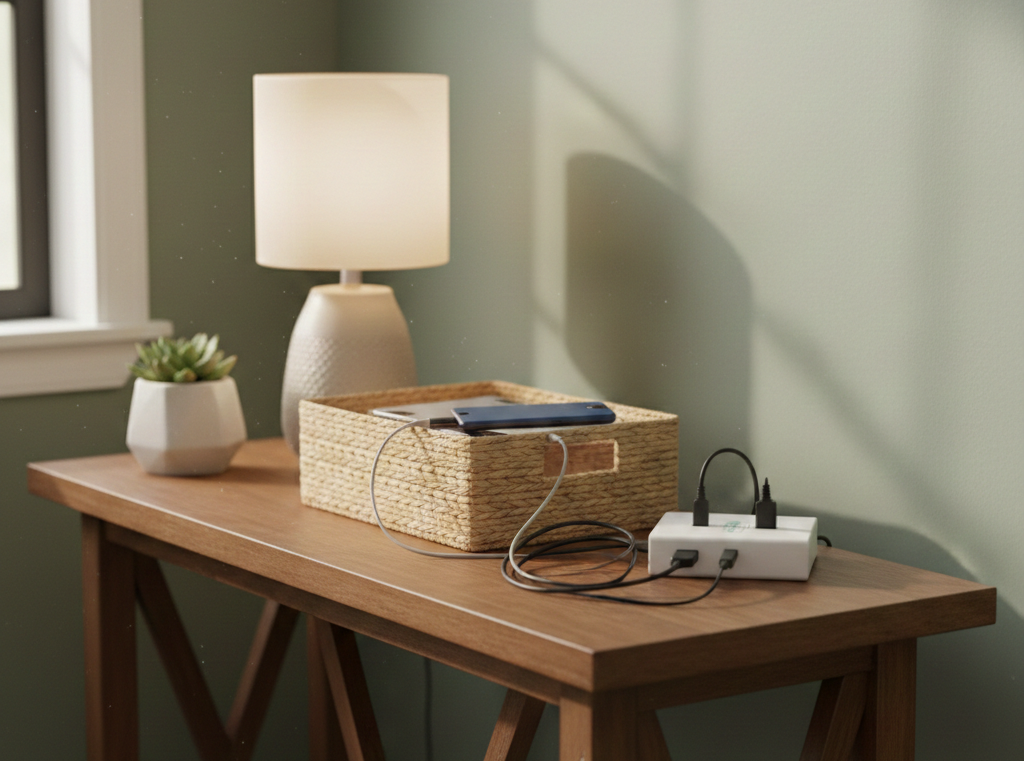
Charging Stations Outside Bedrooms
A simple but powerful boundary.
When devices charge overnight in a shared family space:
Sleep improves
Night-time messaging reduces
Online risk decreases
Impulsive late-night posts are avoided
Less temptation = better decisions.
This Week’s Term: STREAKS

A “streak” is when two people send messages to each other every single day on platforms like Snapchat.
Why it matters:
Many teens feel intense pressure to maintain streaks.
Missing one day can feel socially catastrophic.
This can lead to:
Compulsive late-night messaging
Anxiety about losing friendships
Sleep disruption
Conversation starter:
“Are streaks fun — or do they ever feel stressful?”
Reassure them:
Friendships are built on connection — not consecutive days of messaging.
Encourage short streak breaks to reduce pressure.a
Better Bedtime Script Pack
Are bedtime struggles leaving everyone exhausted before the day even ends?
This calm, practical script pack helps families move away from bedtime battles and towards smoother, more connected evenings — from toddlers to teens.
Designed for today’s busy, digitally overstimulated world, this resource takes the pressure off knowing what to say at bedtime, offering gentle, ready-to-use language that supports calm leadership and consistency.
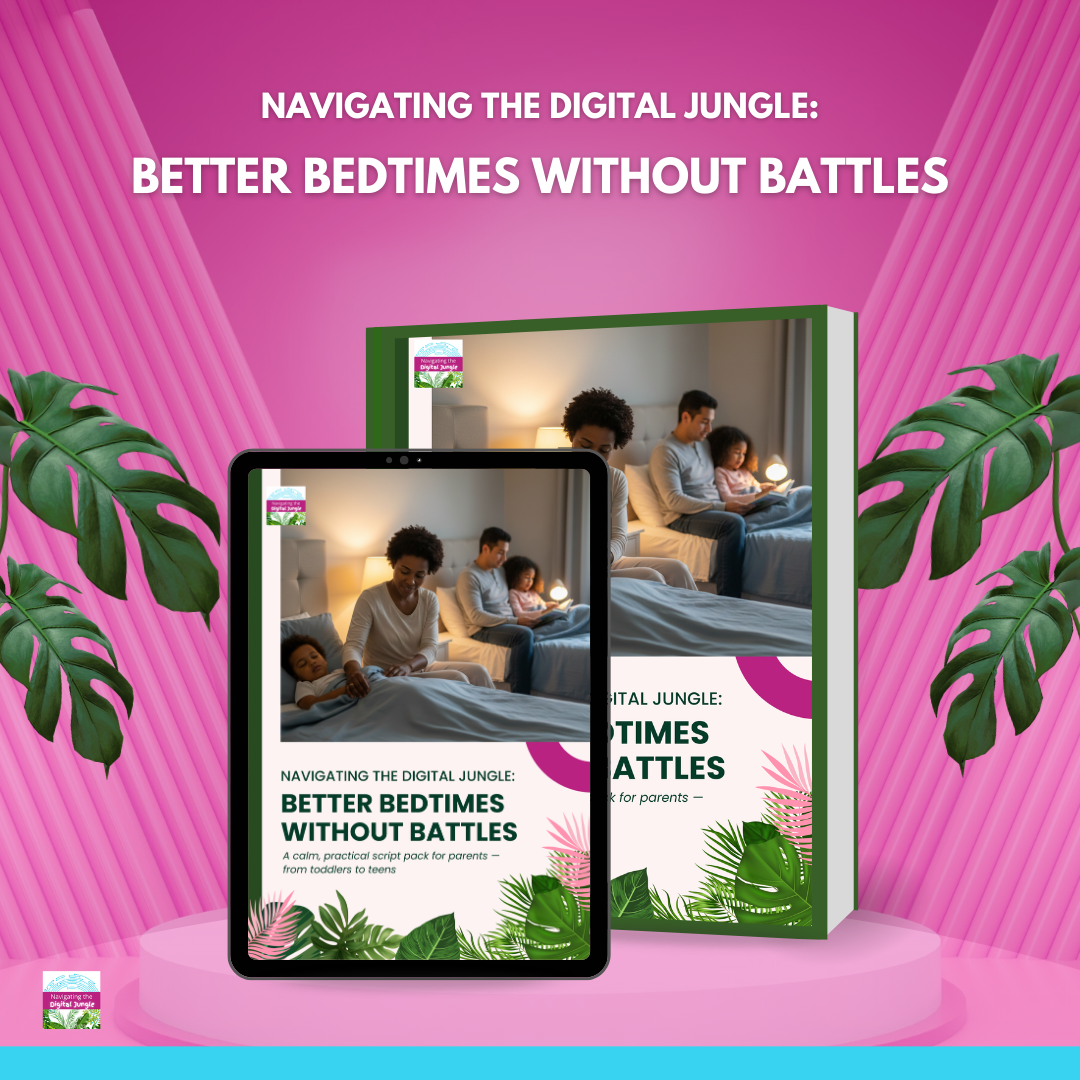
Inside the script pack, you’ll find:
Age-appropriate bedtime scripts from toddlers through teens
Calm, non-judgemental language that reduces resistance
Support for screen-free wind-down and healthier sleep habits
Practical guidance families can use immediately
Family Lights-Low Hour
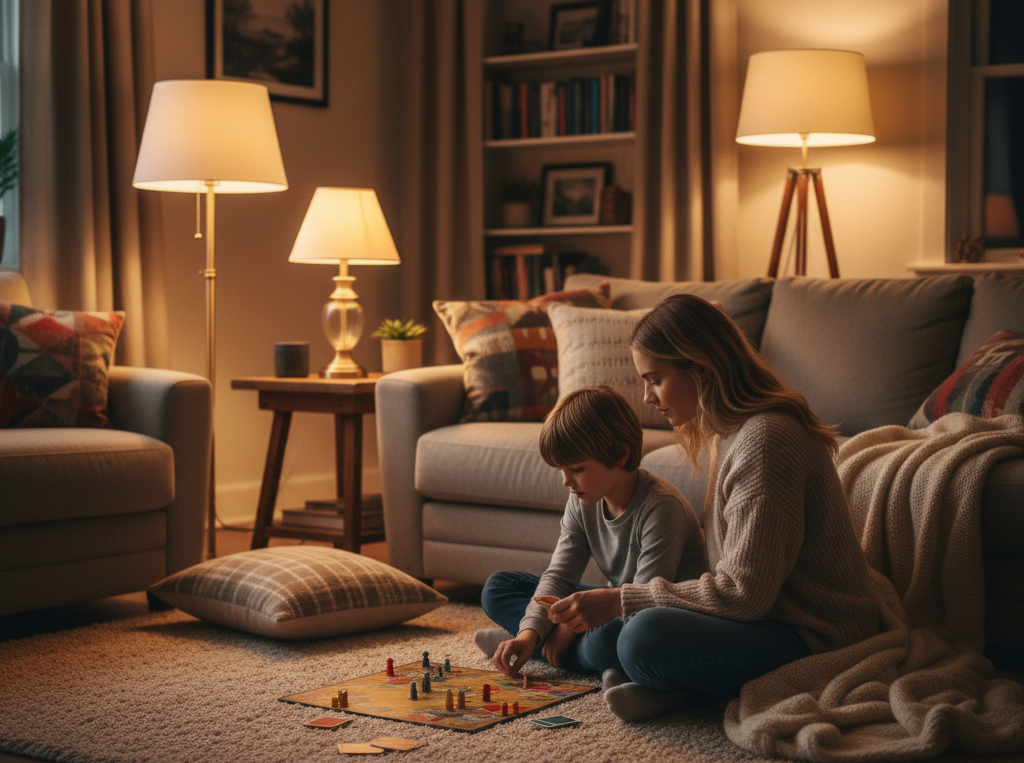
Choose one hour in the evening — for example, 7–8pm.
Lamps only
No overhead lighting
No devices
Calm music or quiet play
You’ll notice voices soften. Energy slows. Arguments reduce.
It’s one of the simplest nervous-system resets you can create.
Book a Free 20-Minute Parent Demo
I offer a free 20-minute Navigating the Digital Jungle parent demo, hosted by your school and based on my full 60-minute Power Hour, “The Top 5 Digital Challenges for Parents – And How to Solve Them.”

This short, engaging taster gives parents practical strategies around screen balance, emotional wellbeing, online safety and calm routines — while giving schools a simple way to boost parent engagement, strengthen digital wellbeing support, build trust with families, and introduce the full Power Hour programme.
Here’s to calm nights and rested mornings.
You’re doing better than you think.