
Comparing vs Celebrating
Helping children focus on who they are, not who they're trying to be
Comparison has become one of the biggest challenges children face today.
Social media, gaming platforms, and influencers can make children feel they need to be smarter, more popular, or more successful than others.
But confidence doesn't grow through comparison.
It grows when children learn to value their own strengths, recognise their progress, and celebrate who they are.
This week, we're sharing simple ways to help children focus less on comparing and more on celebrating what makes them unique.
📰 Study Spotlight: Social Media & Self-Esteem
Research suggests that teens who spend more than two hours a day on social media are more likely to experience:
Lower confidence
Increased anxiety
Negative body image
Feelings of exclusion
Why?
Because social media often encourages comparison with carefully edited highlights that don't reflect real life.
Takeaway:
The more children focus on their own strengths, progress, and growth, the less power comparison has over them.
🌿 The Celebrate Wins Ritual
Children often focus on what they haven't achieved. Let's help them notice what they have.
Try one of these simple family habits:
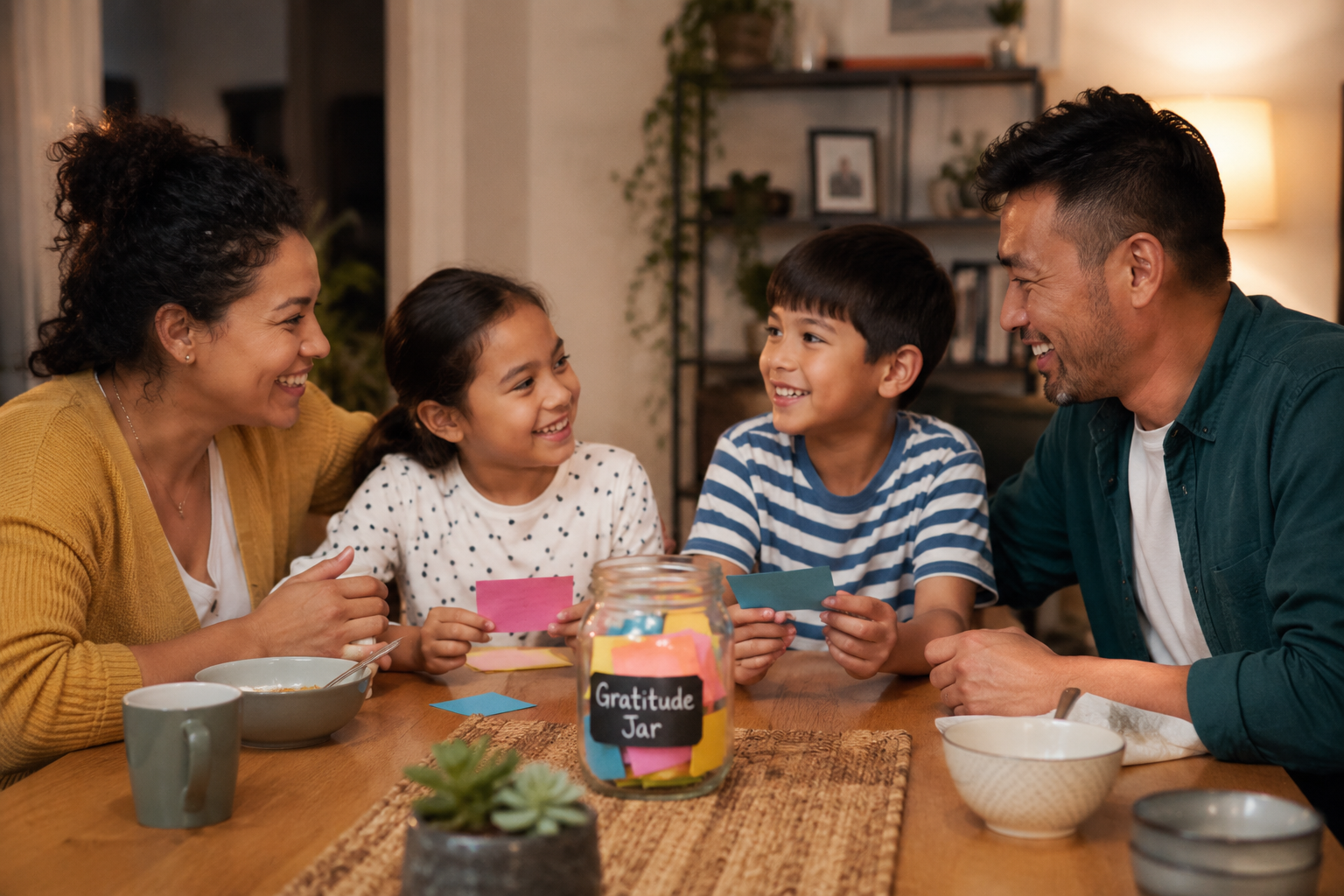
✨ Daily Win Share – At dinner or bedtime, everyone shares one thing they're proud of from the day.
✨ Gratitude Jar – Write one positive moment or achievement on a slip of paper and add it to a family jar.
✨ Celebrate Progress – Celebrate effort, courage, kindness, persistence, and learning—not just results.
Children who recognise their own growth are less likely to seek constant approval from others.
Try this phrase:
"Let's celebrate what makes you unique today."
👶 Babies (0–12 Months)
Celebrate milestones with smiles, encouragement, and positive attention to build confidence from the start.
🌱 Little Ones (1–6 Years)
Praise effort rather than outcomes. Try saying, "I noticed how hard you worked on that."
🌿 Growing Kids (7–11 Years)
Encourage children to compare themselves to their own progress, not others. Ask, "What can you do now that you couldn't do before?"
🌴 Tweens & Teens (12–18 Years)
Model self-compassion and avoid comparing yourself to others. Celebrate progress over perfection.
Social Media Isn't Real Life
Children often know photos are edited, but they can forget that entire online lives are carefully curated too.
Filters, highlight reels, and selective sharing can make life look far more perfect than it really is.
Why it matters:
Comparing everyday life to polished online content can leave children feeling inadequate.
Tip:
Ask questions like:
Is this the whole story?
What might we not be seeing?
What do you think their everyday life is really like?
These conversations help children think more critically about what they see online.

This Week’s Term: VALIDATION LOOP
Definition:
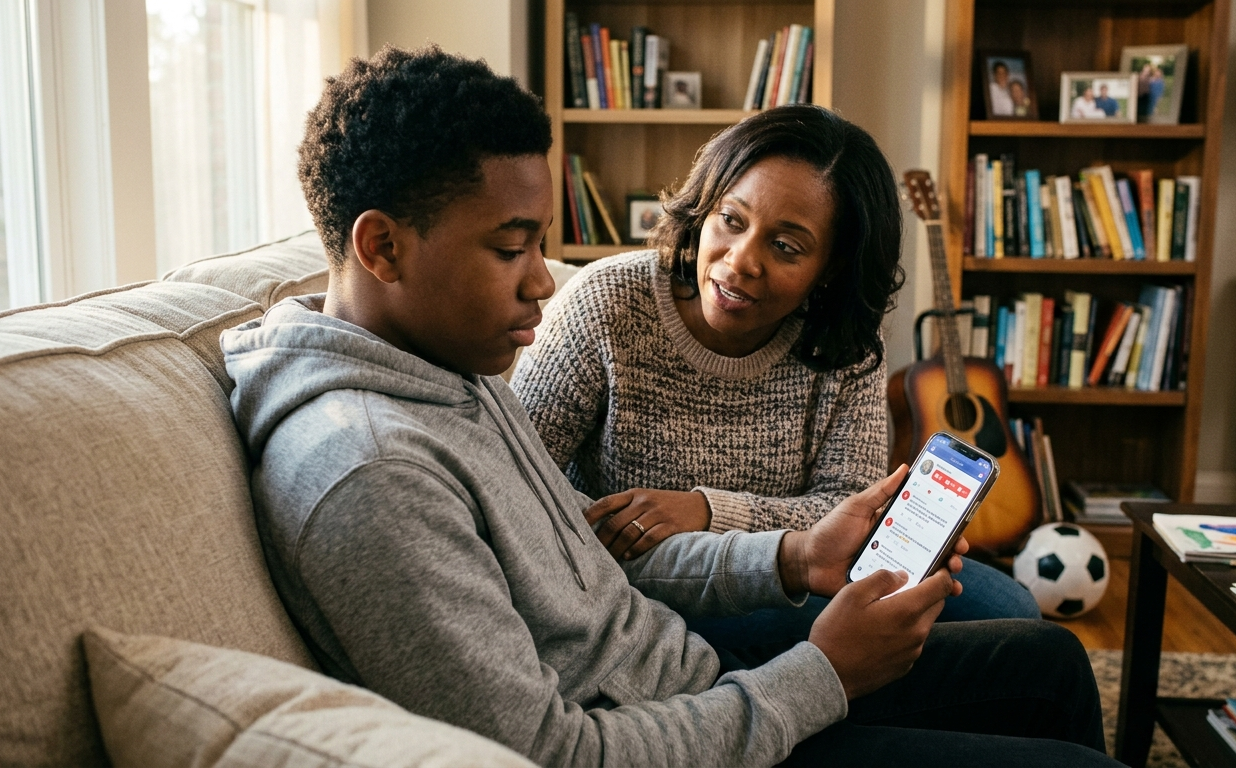
Repeatedly seeking approval through likes, comments, views, or online reactions.
Why it matters:
When self-worth becomes tied to online feedback, confidence can rise and fall based on social approval, increasing anxiety and insecurity.
Tip:
Help children build confidence offline through hobbies, sports, learning new skills, helping others, and spending time with family and friends.
Remind them:
"Your value is not measured by likes, views, or followers."
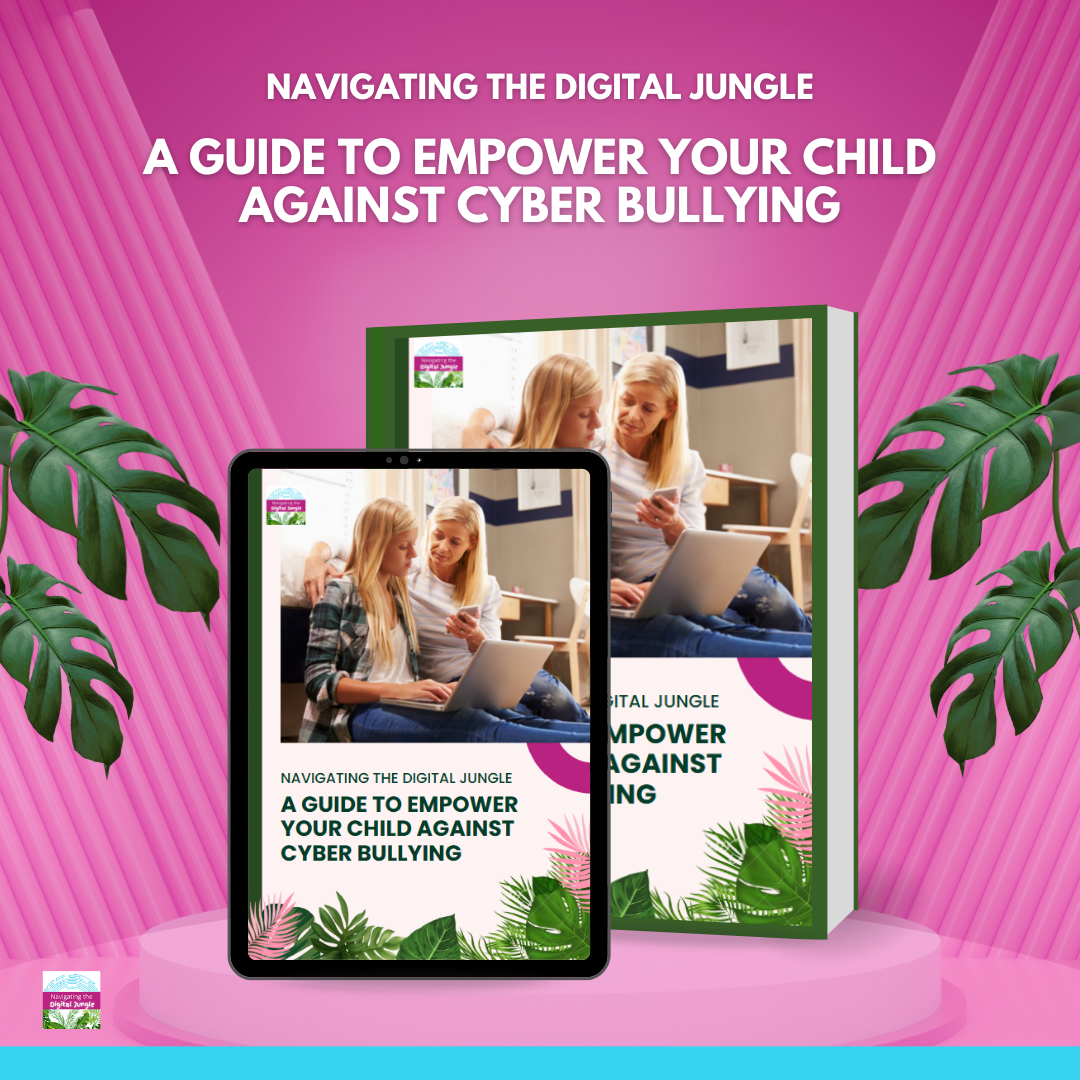
Navigating the Digital Jungle: A Guide to Empower Your Child Against Cyberbullying
Cyberbullying can affect a child's confidence, self-esteem, and emotional wellbeing. This practical guide helps parents recognise the signs, support their child, and respond effectively to online challenges.
Inside you’ll find:
• How to spot the signs of cyberbullying
• Practical ways to support and empower your child
• Strategies for responding to online harassment
• Tips for creating a safer, healthier online environment
Designed to help parents build resilience, encourage open conversations, and help children navigate the digital world with confidence.
💛 Screen-Free Gratitude Talk

Take a few minutes before dinner, bedtime, or during a family walk to put devices aside and ask:
"What's one thing you're grateful for today?"
You can also ask:
What's something you're proud of today?
What's one kind thing you did or received today?
What's one small win from today?
Why it matters:
Gratitude helps shift attention away from comparison and towards appreciation, helping children focus on what they have rather than what they're missing.
Building Confidence in a Comparison Culture
Many parents are concerned about the impact of social media on children's confidence, self-esteem, and emotional wellbeing.
Sue's practical, non-judgemental talks help families build resilience, confidence, and healthier digital habits.

Topics include:
• Social media and self-esteem
• Digital resilience
• Smartphone readiness
• Online safety and wellbeing
• Screen-time balance
You're warmly invited to explore Sue's free introductory session:
"The Top 5 Digital Challenges for Parents – And How to Solve Them."
Comparison steals joy.
Celebrating progress builds confidence.
Let's help children focus less on being like everyone else and more on becoming the very best version of themselves.
Stay connected, stay balanced!